The conversation about AI has moved through several phases. Past the “is it real?” phase and past the “what can it do?” phase. We are now firmly in the phase where AI is being treated as infrastructure — something every serious business is expected to have, like broadband or accounting software, rather than something to be celebrated for having. For personal brand builders, this shift creates both a specific risk and a real opportunity.
The Risk: AI Fluency Is Becoming Table Stakes
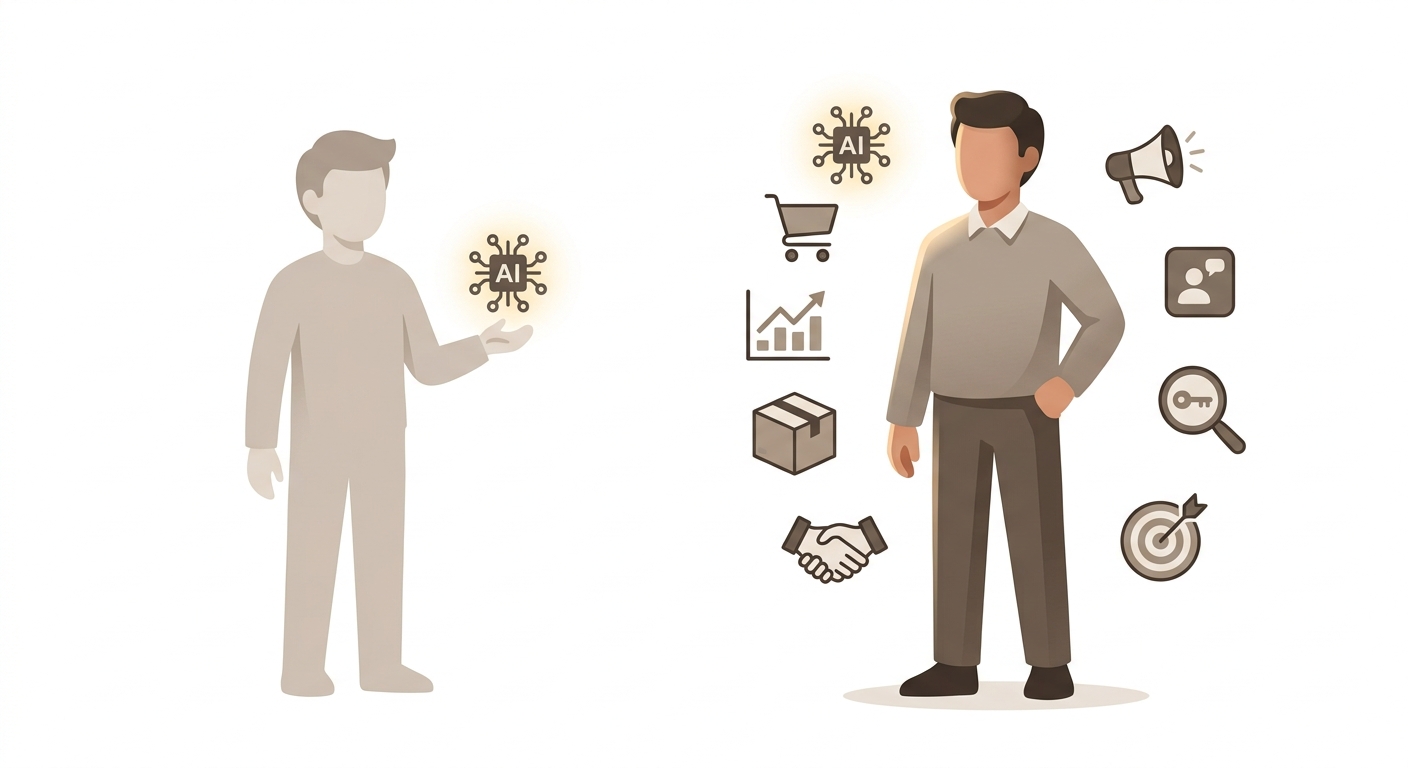
If your personal brand is built around being “the AI person” in a general sense, that positioning is eroding fast. In 2024, knowing how to use AI tools effectively was a genuine differentiator that set you apart. In 2026, it is increasingly expected as a baseline competency, not a specialisation.
The personal brands building durable value right now are combining AI fluency with deep domain expertise. The AI-powered marketing strategist for e-commerce brands beats the generic AI expert by a wide margin. Specificity is the new differentiation. Broad AI literacy is table stakes.
The Opportunity: Most People Still Haven’t Made the Shift
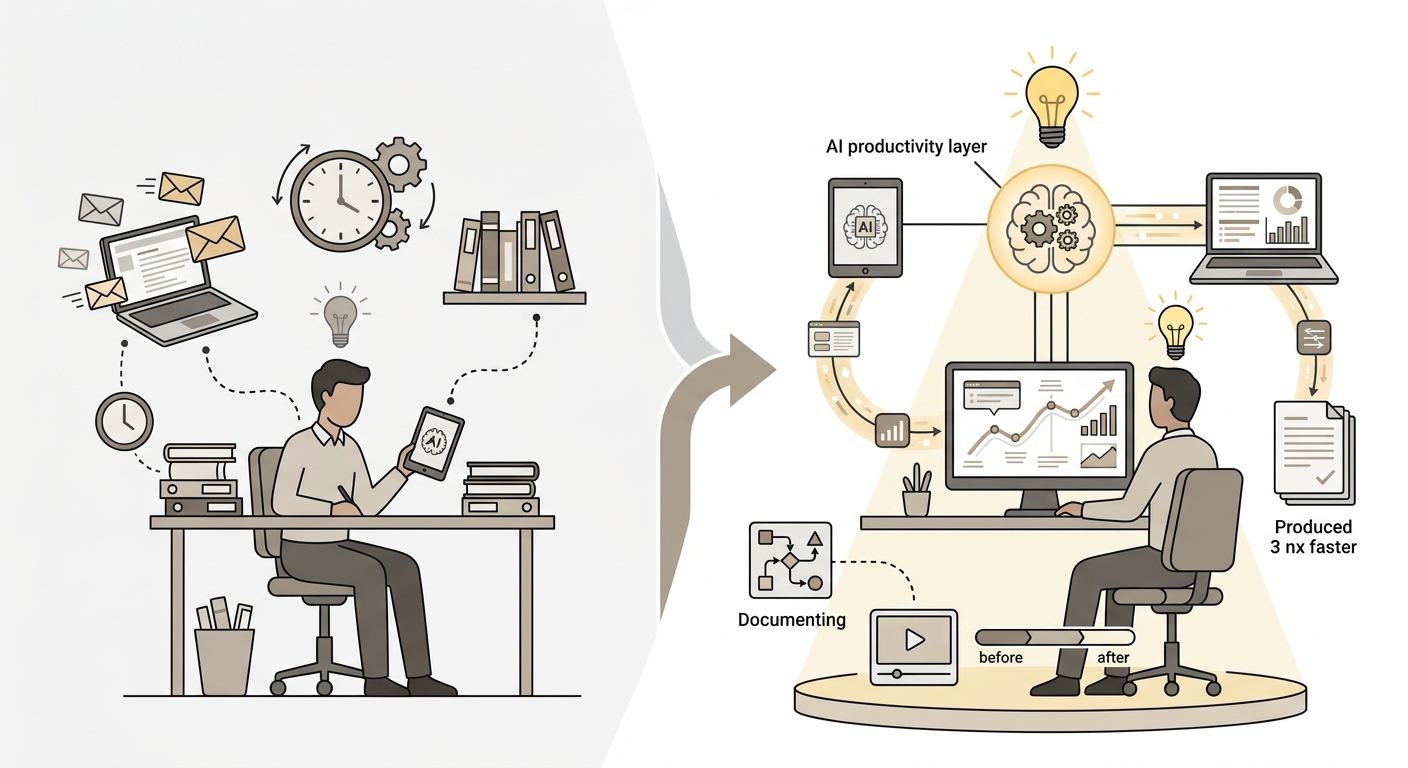
Here is the counterintuitive part. Despite AI dominating every headline, the majority of professionals — even in digital industries — have not genuinely integrated AI into their daily workflows in any systematic way. They use it occasionally. They do not use it as a core productivity layer.
If you can demonstrate credibly that you use AI to work three times faster, produce meaningfully better output, and make smarter strategic decisions, that is still a genuine and visible differentiator. Document it publicly. Show the before and after. Teach the process.
The window where AI-native working practices are a personal brand advantage is smaller than it was in 2024, but it has not closed yet. Build your brand around what you do with AI, not around AI itself.
Quick Links: