Fresh data from Graphite published this week puts a real number on something the SEO industry has been feeling for months. AI search sessions are now 56% the size of traditional web search globally — and 34% in the US. Total search usage combining both channels has grown 26% worldwide, meaning the pie is bigger but the Google-only slice is smaller. ChatGPT now accounts for 20% of search-related traffic worldwide. And critically — 65% to 85% of ChatGPT prompts have no matching keyword in Semrush’s database. Meaning the keyword research tools that have guided SEO strategy for fifteen years are blind to more than half of what people are actually searching for.
What SEO Practitioners Need to Do With This Data
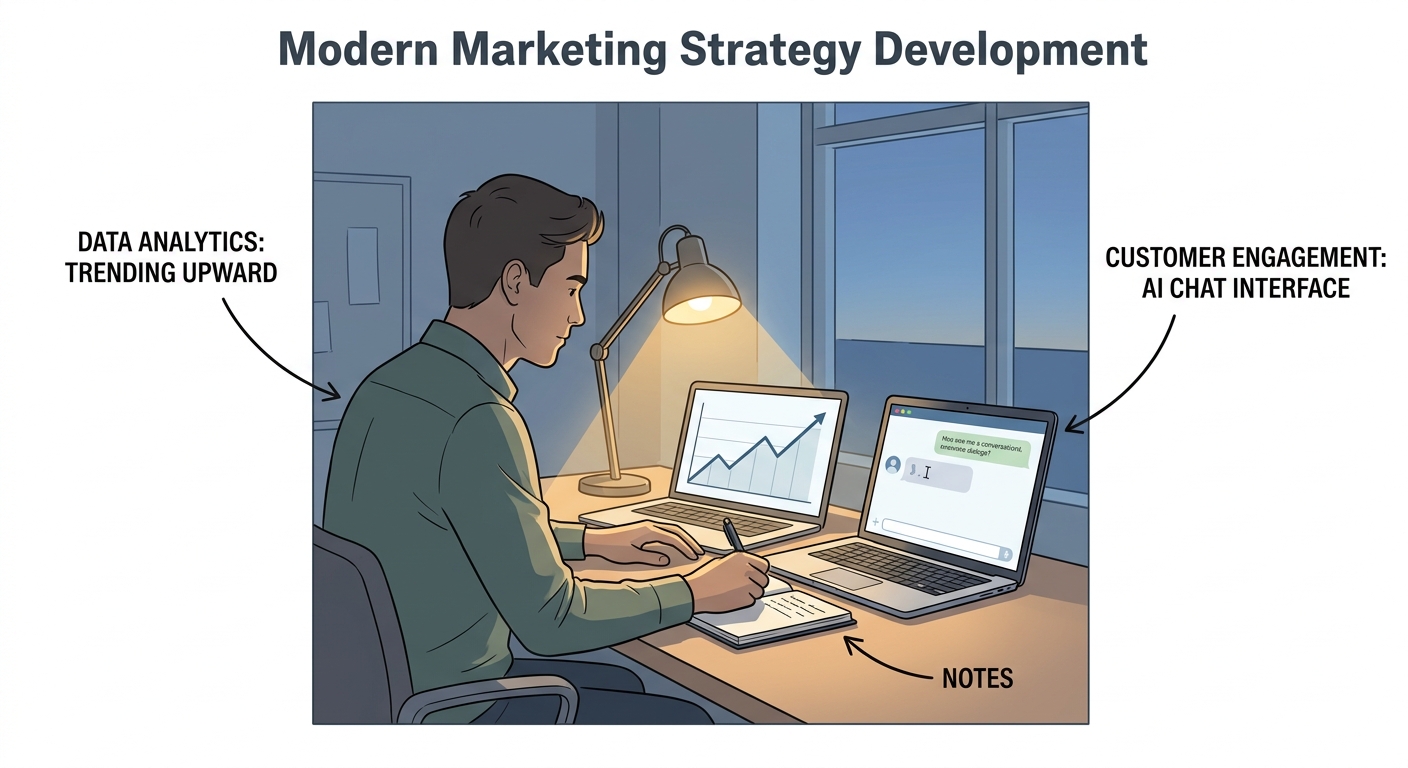
The honest response to this data is to run a parallel measurement strategy. Track your Google Search Console data as normal — organic is not dead and the drop is manageable. But simultaneously start tracking AI citation frequency using tools like Muck Rack’s Generative Pulse or manually running category prompts across ChatGPT, Perplexity, and Gemini weekly. The brands that build this dual measurement capability now are the ones that will have 12 months of citation data when everyone else is scrambling to start in 2027.
Google FAQ Rich Results Are Gone for Most Sites — Here Is the SEO Response
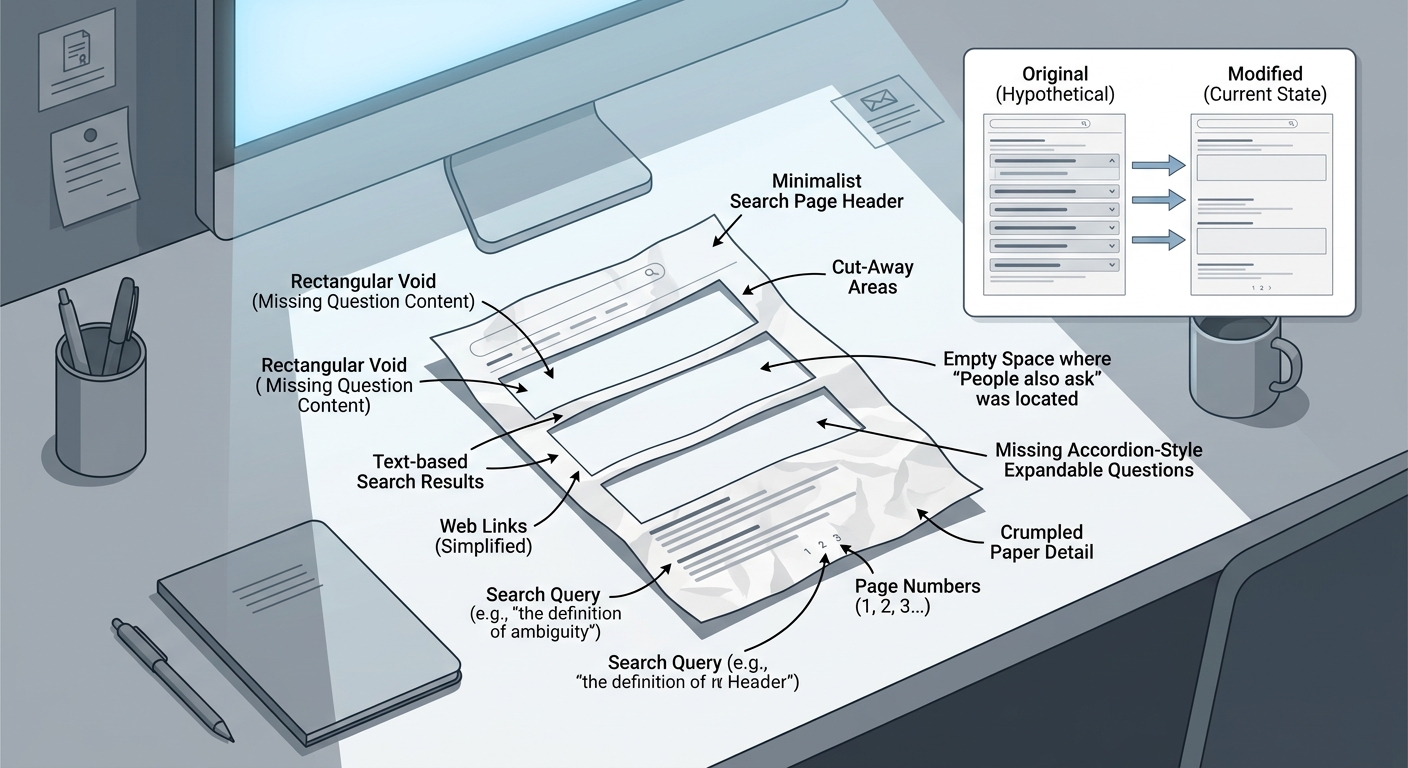
Google officially removed FAQ rich result display for most websites in September 2026, following the structured data deprecations it announced in late 2025. The seven schema types deprecated in January included FAQ as a general rich result type — it is now only active for government and healthcare sites. For the broader SEO community this is a real loss in SERP visibility, particularly for informational content that relied on FAQ expansions to take up more real estate on the results page and improve click-through rate.
The Opportunity Hidden Inside the Change

Here is what most coverage of this change is missing. FAQPage schema is still actively read by Gemini, ChatGPT, Perplexity, and Claude for answer extraction. The structured question-and-answer format that Google no longer shows as a rich result is exactly the format that AI engines prefer for citation. The sites that strip their FAQ schema in response to the Google change will inadvertently become harder for AI engines to cite. The right response is to keep FAQ markup — clean, concise, three to seven genuine questions — and accept that its value has shifted from visual SERP real estate to AI citation eligibility.
Quick Links: