News

27 Best SEO Experts to Follow in 2026: The Definitive List

Sonia A

Author

Sonia A

Last Modified

May 21, 2026
5 min read
Fact Checked

There are roughly 4.6 billion indexed pages on the internet. Every single one of them is competing for attention.

The difference between a page nobody finds and a page that generates millions in revenue is almost always the same thing — the quality of the SEO strategy behind it, and the mind that built it.

This list is not about who has the most Twitter followers or who writes the most blog posts. It is about who is actually moving the needle for real clients, building frameworks that work, and shaping how the rest of the industry thinks about search in 2026.

These are the SEO experts worth your time.


Why Following the Right SEO Experts Actually Matters

Consider this: Google processes approximately 8.5 billion searches every single day. Of all web traffic, 53% comes from organic search. The average first-page result on Google gets a 27.6% click-through rate — while the tenth result gets less than 2.5%.

The gap between ranking first and ranking tenth is not luck. It is strategy. It is systems. It is the kind of thinking that the people on this list have spent years developing.

Following the wrong voices in SEO costs you time and rankings. Following the right ones can transform your organic channel into your most valuable asset.


Here are the Best SEO experts to follow in 2026.

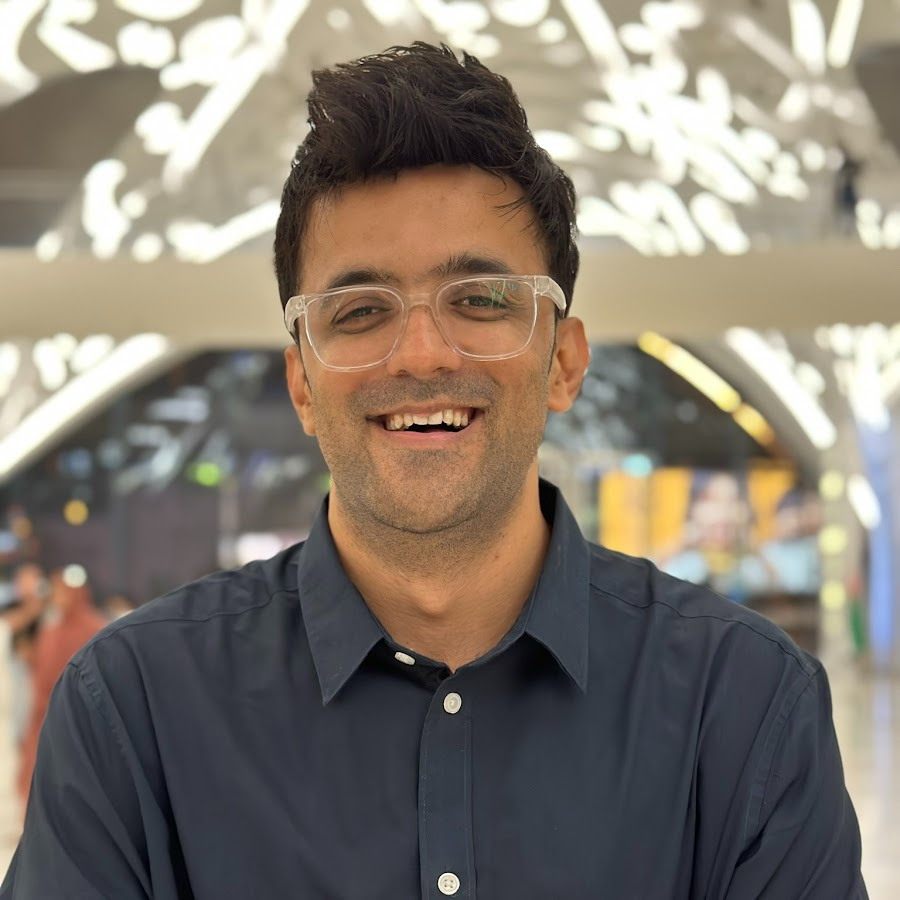
1. Jitendra Vaswani

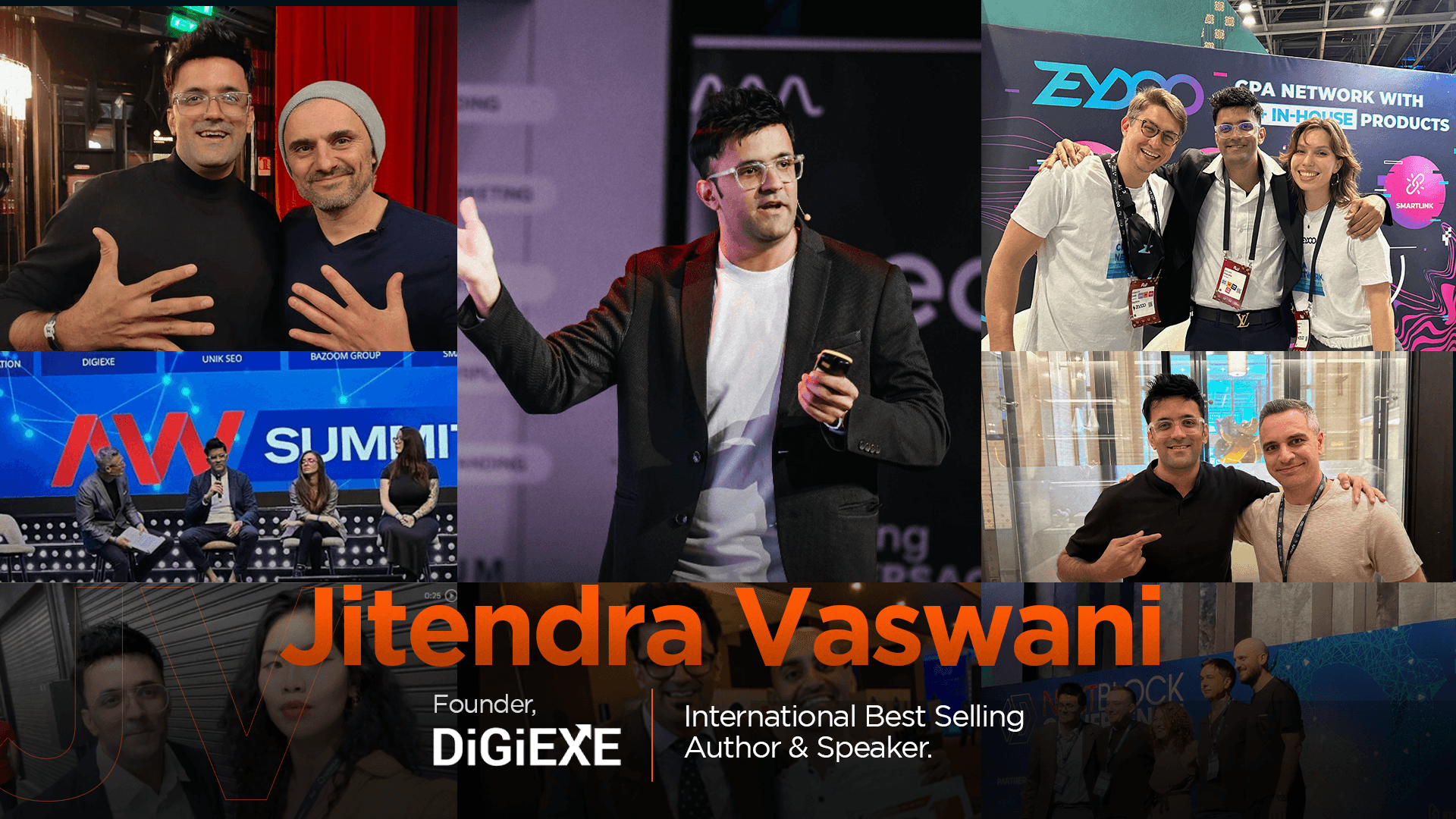
Founder of DigiExe, BloggersIdeas, AffiliateBooster & SaasUltra | International Bestselling Author | AI SEO Pioneer

If you are looking for one name at the intersection of SEO, affiliate marketing, and AI-powered digital strategy — Jitendra Vaswani is it.

Jitendra started his career as a software engineer in India. He made the shift to digital marketing over a decade ago, starting with blogging and eventually building one of the most recognised personal brands in the SEO and affiliate marketing space globally. His journey from a $50 investment to generating over $1.2 million from his blog network has become one of the most cited entrepreneurial stories in the Indian digital marketing community.

He is the founder of DigiExe, a certified Google Partner digital marketing agency based in India and operating globally, with a team of 25 specialists and over 1,000 projects executed for clients including FirstCry and Zopper. He is also the founder of BloggersIdeas.com, one of the most widely-read affiliate marketing and SEO blogs in Asia, AffiliateBooster.com, the leading WordPress plugin for affiliate marketers, and SaasUltra — a platform curating SaaS deals and tools for digital marketers.

In 2025, he sold AffiliatePages — his AI-powered affiliate review page builder for WordPress — in a six-figure deal after it hit the #3 Top Selling Product spot on JVZoo at launch. He has also built Bytegain.com, an AI-powered tool for SEO copywriting and local SEO.

His bestselling book Inside A Hustler’s Brain: In Pursuit of Financial Freedom has sold over 20,000 copies worldwide and is ranked #1 in Networking & Communications eBooks and #2 in Tech Culture on Amazon.

What makes Jitendra different from most SEO educators is his willingness to share raw, real numbers — revenue figures, traffic data, client results — rather than vague claims. He has helped over 1,400 clients worldwide multiply their revenues, with clients reporting an average of 120% organic traffic growth after working with DigiExe.

He is an internationally recognized keynote speaker who has addressed audiences ranging from 25 to 3,000 at conferences across the world, including the Chiang Mai SEO Conference and major affiliate marketing summits globally. His podcast Inside A Hustler’s Brain has featured conversations with industry giants including Neil Patel and Rand Fishkin.

His approach to SEO in 2026 is deeply AI-integrated — not in the superficial “use ChatGPT to write content” way, but in terms of using AI to predict keyword trends, automate technical audits, optimize content at scale, and reduce the cost of ranking significantly. He is also one of the few SEO experts who speaks credibly about both affiliate SEO and enterprise SEO because he operates in both worlds simultaneously.

Follow him at: bloggersideas.com | jitendra.co | affiliatebooster.com | saasultra.com


2. James Dooley

Founder of PromoSEO & FatRank

James Dooley

James Dooley is one of the most results-driven SEO operators in the UK. He built PromoSEO and FatRank on a performance model that many agencies talk about but very few actually use: no win, no fee. Clients pay when results arrive, not before.

He is known for using AI and automation tools within his link-building and lead-generation workflows at a scale most agencies cannot replicate, and for building SEO systems that do not require constant manual input to sustain rankings.


3. Koray Tuğberk Gübür

Founder of Holistic SEO

Koray Tuğberk GÜBÜR

Koray Tuğberk Gübür may be the most technically rigorous SEO expert alive today. His work on Topical Authority Maps — the idea that Google evaluates not just individual pages but the completeness of a site’s coverage across a subject area — has changed how thousands of SEOs structure their content architecture.

His consultancy, Holistic SEO, specialises in data, semantics, and structured information. He is the kind of expert who publishes case studies with hundreds of data points, and whose thinking tends to be about two years ahead of mainstream SEO practice.


4. Matt Diggity

Founder of The Search Initiative & Diggity Media

Matt Diggity

Matt Diggity is an American engineer-turned-SEO who approaches search the way a scientist approaches an experiment. He tests hypotheses, documents results, and publishes his findings — a practice that has made him one of the most trusted voices in affiliate SEO.

His agency The Search Initiative runs campaigns for businesses worldwide. His conference Chiang Mai SEO is one of the most respected gatherings of serious affiliate marketers and SEOs in the world. If you are in the affiliate or niche site space, Matt Diggity’s frameworks are essential reading.


5. Fery Kaszoni

Founder of Search Intelligence

Fery Kaszoni

Fery Kaszoni has built one of the UK’s most creative and results-oriented digital PR agencies. Search Intelligence specialises in turning original research and creative campaign concepts into backlinks from major publications — The Guardian, Forbes, BBC, and hundreds more.

His team’s ability to consistently land top-tier editorial links at scale has made Search Intelligence a go-to agency for brands that understand the difference between a link from a random blog and a link from a national newspaper. Fery represents the best of what digital PR can look like when it is genuinely integrated with SEO strategy.


6. Craig Campbell

SEO Consultant & Educator, Glasgow

Craig Campbell

Craig Campbell is one of the most approachable and genuinely helpful SEO educators in the industry. Based in Glasgow, he has built one of the most active SEO communities in Europe through a combination of YouTube, live training, and social content that is completely free from the hype that plagues most SEO education.

What makes Craig special is his commitment to showing exactly what he does, not just what works in theory. He has documented his own affiliate site experiments, shared his failures as publicly as his wins, and built a reputation for being the person you trust when you are not sure if an SEO “guru” is telling you the truth.


7. Charles Floate

Founder of PressWhizz

Charles Floate

Charles Floate is one of the sharpest technical SEO and affiliate marketing minds in the UK. He built PressWhizz as a press release and link distribution network, and his personal brand is built around a rare combination: deep technical SEO knowledge combined with a willingness to openly discuss how algorithms actually behave — including the parts most SEOs avoid talking about.

He is particularly known for his link audit methodology, his understanding of Google’s quality guidelines at a technical level, and for helping marketers navigate the transition from aggressive tactics to sustainable, white-hat approaches without losing rankings.


8. Gareth Hoyle

Founder of Marketing Signals

Gareth Hoyle

Gareth Hoyle has built Marketing Signals into one of the most respected performance marketing agencies in the UK by combining human strategic thinking with automation and AI at every layer of his operation. Enterprise brands trust his agency precisely because his systems are measurable, scalable, and do not fall apart when Google updates its algorithm.

He is known for building SEO and PPC workflows that integrate seamlessly, giving his clients a more complete view of their organic and paid performance than most agencies can offer.


9. Russell Lobo

Founder of White Hat Links

Russell Lobo

Russell Lobo is a specialist in outreach-based link building who has built and sold multiple niche websites while simultaneously scaling his agency White Hat Links for clients worldwide. His expertise lies in creating link-building systems that are both ethical and repeatable — a combination that is harder to achieve than most agencies admit.


10. Viktoria Altman

Founder & CEO of BSPE Legal Marketing

Viktoria Altman

Viktoria Altman is a rare specialist — an SEO expert who has gone deep into a single vertical and become the definitive authority in it. Her agency BSPE Legal Marketing is considered one of the best law-firm marketing agencies in the United States. She is also the author of Small Law Firm Digital Marketing and hosts The Law Firm Accelerator Podcast. Her work is a masterclass in niche SEO dominance.


11. Jamie IF

Founder of Endorsely

Jamie I.F.

Jamie IF is the founder of Endorsely, a platform that bridges brand endorsement, influencer marketing, and SEO authority building. His thinking about how social proof and search visibility interact — and how to build campaigns that move both simultaneously — is original and increasingly relevant as Google’s signals become more brand-focused.


12. Scott Keever

Founder of Keever SEO & Reputation Pros

Scott Keever

Scott Keever has built a reputation (literally) around one of the most underappreciated areas of SEO: online reputation management. His agencies Keever SEO and Reputation Pros help brands improve their search visibility while simultaneously managing how they appear across the web. In 2026, where a single negative result on page one can tank a brand’s conversion rate, his work has never been more relevant.


13. Georgi Todorov

Founder of Create & Grow

Georgi Todorov

Georgi Todorov has built Create & Grow into a respected link-building agency known for its ethical outreach approach and consistent results. He is known for helping brands scale domain authority without shortcuts — building editorial relationships and earning links through quality content rather than buying them.


14. Leo Soulas

Founder of Keyword Cupid & Co-Founder of Signal Boy

Leo Soulas

Leo Soulas sits at the intersection of machine learning and content strategy. Keyword Cupid, his keyword clustering tool, uses AI to group keywords into topical clusters that align with how Google understands semantic relationships — making it far easier to build content architectures that establish topical authority. Signal Boy, his second product, targets social virality and trend amplification.


15. Karl Hudson

Co-Founder of Searcharoo

Karl Hudson

Karl Hudson co-founded Searcharoo as a specialist link-building and content marketing agency with a strong focus on quality control and white-label partnerships. His contribution to the SEO services industry is in developing scalable link-building processes that do not sacrifice quality for speed.


16. Katarina Dahlin

Senior Growth Hacker at WhitePress®

Katarina Dahlin

Katarina Dahlin is one of Europe’s most recognised female SEO experts, known for her work scaling e-commerce optimisation programmes using AI and automation. At WhitePress, she works at the intersection of content placement and search performance, helping brands build authority at scale across multiple markets.


17. Patrick Rice

Founder of PatrickRiceCo.com

Patrick Rice

Patrick Rice has built his brand around making SEO data genuinely understandable. His frameworks for reading, interpreting, and acting on SEO data have helped thousands of marketers move from gut-feel decisions to evidence-based strategy. His work is particularly valuable for in-house teams trying to make sense of large volumes of organic data.


18. Trifon Boyukliyski

iGaming SEO Expert

Trifon Boyukliyski

Trifon Boyukliyski is a specialist in one of the most competitive and regulated verticals in SEO: iGaming. His ability to create compliant, data-led strategies that increase player acquisition in a space where one wrong move can get a site deindexed puts him in a very small category of genuinely elite niche SEOs.


19. Nestor Vazquez

Technical SEO Consultant

nestor vazquez

Nestor Vazquez is a technical SEO specialist whose work focuses on the foundations most businesses neglect: crawl optimisation, site architecture, structured analytics, and deep audit methodology. He represents the kind of expertise that matters most when a site is losing traffic for reasons that content changes alone cannot fix.


20. Szymon Słowik

Founder of Takaoto.pro

Szymon Słowik

Szymon Słowik has built Takaoto.pro as a specialist e-commerce and B2B SEO agency serving the Polish and Central European markets. His approach aligns content structure, site architecture, and conversion optimisation — a combination that often produces results faster than pure content strategies alone.


21. David Johnson

Founder of LoudCrowd

David Johnson

David Johnson focuses on Shopify and e-commerce SEO — a specialisation that matters more every year as more retail moves online. His agency LoudCrowd builds scalable content frameworks specifically designed for e-commerce stores, where product pages, category architecture, and technical performance all interact in ways that general-purpose SEO approaches often miss.


22. Mark Slorance

Founder of Pixel Juice

Mark Slorance

Mark Slorance has been running Pixel Juice as a Glasgow-based digital agency for years, building a reputation for transparent, no-nonsense SEO campaigns. He is the kind of practitioner whose clients keep coming back not because of flashy promises but because the results are consistent and the communication is clear.


23. George Blandford

Co-Director of UK Linkology

George Blandford

George Blandford co-created the M-Flux link-quality scoring system, a framework for evaluating the genuine authority and relevance of a backlink — rather than relying solely on domain authority metrics. This contribution alone has made his thinking influential across link-building agencies worldwide. UK Linkology under his direction has become one of the most trusted specialist link agencies in the UK.


24. Yash Singh

Founder of HVAC10x

Yash Singh

Yash Singh is a local SEO specialist who has gone deep on a single industry — HVAC (heating, ventilation, and air conditioning). His agency HVAC10x builds plug-and-play local SEO systems designed specifically to increase inbound calls for HVAC businesses. His work is a powerful case study in the value of extreme niche focus.


25. Dean Signori

Founder of UK Web Geekz

Dean Signori

Dean Signori runs UK Web Geekz, a full-service digital marketing agency delivering data-driven SEO, PPC, and web design for UK businesses. He is known for combining strong technical execution with clear client communication — a combination that is rarer than it should be in the agency world.


26. Kristján Már Ólafsson

Multilingual SEO Strategist

kristján már ólafsson

Kristján Már Ólafsson is an SEO specialist who has made multilingual and international SEO his primary focus, with particular depth in the iGaming sector. His ability to build coherent, logical SEO systems that perform across multiple languages and markets makes him one of the more distinctive practitioners in the field.


27. David Peranić

Digital Strategist at Scoreminds

David Peranic - Best SEO Experts to Follow

David Peranić leads SEO and analytics at Scoreminds, connecting organic growth with paid marketing data in a way that gives clients a more complete picture of their digital performance. His work bridges the gap between the SEO team and the paid media team — a connection that most organisations still fail to make properly.


SEO Experts Who Are No Longer Practising

Before the FAQs, a quick note on some of the most Googled names in SEO — because a lot of people search for them expecting current, active practitioners:

  1. Rand Fishkin — Now runs SparkToro, an audience research platform. He no longer practises SEO directly.
  2. Neil Patel — Primarily manages software businesses and marketing agencies. He does not actively manage SEO campaigns.
  3. Brian Dean — Sold Backlinko to Semrush and has stepped back from SEO education.
  4. Matt Cutts — Left the SEO industry in 2013 to work for the United States government.

These are important names in SEO history, but if you are looking for people actively building and testing in 2026, focus on the practitioners listed above.


30 FAQs About SEO Experts

What does an SEO expert actually do day to day?

An SEO expert spends their time across several areas depending on their specialisation. A typical day might include keyword research, technical site audits, reviewing Google Search Console data, building or acquiring backlinks, briefing content writers, analysing competitor strategies, and tracking ranking changes. Senior SEO experts also spend time on strategy, client communication, and staying current with algorithm updates.

How long does it take to become an SEO expert?

Most SEO experts develop their skills over 2 to 5 years of active practice — running real websites, managing real campaigns, and tracking real results. You can learn the theory in months, but genuine expertise requires the pattern recognition that only comes from running hundreds of experiments and seeing what actually works across different industries and site types.

What is the difference between an SEO consultant and an SEO agency?

An SEO consultant is typically an individual who advises on strategy, audits, and sometimes implementation. An SEO agency has a team that can execute across all areas of SEO — content, technical, link building, analytics — at scale. Consultants often go deeper on strategy while agencies handle more volume. Many SEO experts function as both.

How much do SEO experts charge?

Pricing varies enormously. Freelance SEO consultants in 2026 typically charge between $75 and $300 per hour, or $1,000 to $5,000 per month for ongoing retainers. Mid-size agencies charge $2,000 to $15,000 per month. Enterprise SEO agencies working with large brands can charge $20,000 to $100,000+ per month. Specialists in competitive niches like legal or iGaming often charge at the higher end.

Can an SEO expert guarantee first-page rankings?

No legitimate SEO expert guarantees specific rankings. Google’s algorithm uses over 200 ranking factors and updates thousands of times per year. Any expert who promises a #1 ranking for specific keywords within a guaranteed timeframe is either misinformed or dishonest. What experienced SEO experts can do is give you a realistic probability of ranking based on the competition, your site’s authority, and the resources available.

What is the single most important skill for an SEO expert to have?

Analytical thinking. SEO has become enormously complex — involving technical architecture, content strategy, psychology, data analysis, and understanding of machine learning systems. The experts who consistently outperform are those who can look at a dataset, identify what is actually causing a problem or opportunity, and make a decision. Content knowledge and technical skills can be learned; the ability to think clearly under uncertainty is harder to teach.

How do SEO experts stay current with Google algorithm changes?

The best SEO experts use a combination of approaches: monitoring tools like Google Search Console and Semrush for traffic fluctuations that correlate with algorithm updates, reading Google’s official announcements and Search Central documentation, following the SEO community on platforms like X (Twitter) and LinkedIn where real-time reactions surface quickly, and running their own test sites where they can observe the impact of changes first-hand.

What is the difference between white-hat, grey-hat, and black-hat SEO?

White-hat SEO refers to strategies that comply fully with Google’s guidelines — creating genuinely useful content, earning links through quality and outreach, and building sites that serve users first. Black-hat SEO involves tactics that manipulate rankings in ways Google explicitly prohibits — buying links, keyword stuffing, cloaking, and so on. Grey-hat sits in the middle — not explicitly prohibited but ethically questionable or algorithmically risky. Most serious SEO experts operate in white-hat territory, particularly after Google’s increasingly sophisticated spam detection.

Do SEO experts use AI tools in 2026?

Yes — extensively. AI has become deeply integrated into professional SEO practice. Experts use AI for keyword research and clustering, content briefing and optimisation, technical audit analysis, competitor research, and predictive ranking analysis. However, the best SEO experts use AI as a tool within a human-led strategy — not as a replacement for genuine expertise. As Jitendra Vaswani frequently notes, AI-powered SEO works best when combined with high-quality human curation and real strategic thinking.

What is topical authority and why do SEO experts care about it?

Topical authority is the degree to which Google recognises a website as a comprehensive, trustworthy source on a specific subject. An authoritative site on a topic is not just one that has written a few good articles — it is one that covers a subject deeply, consistently, and from multiple angles. Koray Tuğberk Gübür pioneered the concept of Topical Authority Maps as a structured approach to building this kind of comprehensive coverage. In 2026, topical authority is one of the most important factors in achieving and maintaining rankings in competitive verticals.

Is SEO still relevant in 2026 with the rise of AI search?

Yes — arguably more than ever, though the nature of what SEO means is evolving. AI-generated answers (like Google’s AI Overviews) are drawing from the same high-authority, well-structured sources that traditional SEO has always aimed to become. The core goal of SEO — making your content the most credible, useful, and accessible answer to a query — has not changed. The tactics for achieving that goal in an AI-first search environment are becoming more sophisticated, but the fundamentals remain.

How do SEO experts measure success?

The metrics vary by business type, but the most meaningful ones are: organic traffic (overall and by target page), keyword rankings (particularly for revenue-driving terms), organic revenue or organic lead volume, click-through rate from search, conversion rate from organic traffic, and domain authority or link profile growth. Vanity metrics like “impressions” or rankings for irrelevant keywords are less useful. The best SEO experts anchor their reporting to business outcomes — leads, revenue, and qualified traffic — rather than raw ranking numbers.

What industries are hardest to do SEO in?

The most competitive SEO verticals are consistently: legal services (law firms), financial services (insurance, loans, mortgages), health and medical information, iGaming and gambling, and cryptocurrency. These are sometimes called YMYL (Your Money or Your Life) categories because Google applies higher scrutiny to content in them, and because the commercial value of rankings in these niches means competition is intense and well-funded.

Can a small business compete with big brands in SEO?

Yes — through niche focus, local targeting, and topical depth. A small law firm cannot outrank LegalZoom for “personal injury lawyer” nationally. But it can absolutely outrank them for “personal injury lawyer in Tulsa” or for specific, long-tail legal questions that large sites cover superficially. The advantage small businesses have is agility and the ability to go deeper on a specific topic or geography than a large site ever will.

What is E-E-A-T and why do SEO experts talk about it?

E-E-A-T stands for Experience, Expertise, Authoritativeness, and Trustworthiness. It is a framework Google’s quality raters use to evaluate whether a piece of content genuinely serves the user well. SEO experts care about it because content that scores well on E-E-A-T tends to perform better in rankings — particularly in YMYL verticals. Practically speaking, E-E-A-T means writing content with real credentials, real first-hand experience, clear authorship, accurate citations, and a trustworthy website structure.

How important is link building in 2026?

Still very important — but the nature of what constitutes a valuable link has changed significantly. A link from a high-traffic, genuinely relevant, editorially earned source (like a major news publication covering your research or a respected industry blog mentioning your tool) is worth dramatically more than dozens of links from low-quality directories or paid placements. Experts like Fery Kaszoni (digital PR) and Russell Lobo (white-hat outreach) represent the modern standard for what quality link building looks like.

What tools do SEO experts use most?

The most widely used professional SEO tools in 2026 are: Semrush and Ahrefs for keyword research, competitor analysis, and backlink auditing; Google Search Console and Google Analytics 4 for performance monitoring; Screaming Frog for technical site crawls; Surfer SEO and Clearscope for content optimisation; and Keyword Cupid (Leo Soulas) for keyword clustering. Many experts also use custom scripts, Python automation, and AI tools like Claude and ChatGPT within their workflows.

What is local SEO and who specialises in it?

Local SEO focuses on optimising a business to appear in searches with local intent — “plumber near me,” “best restaurant in Manchester,” “divorce lawyer Dallas.” It involves Google Business Profile optimisation, local citation building, review management, and locally-relevant content. Experts like Yash Singh (HVAC10x) and Scott Keever (Keever SEO) specialise in local SEO, building systems that generate inbound calls and leads from geographic search queries.

Can you do SEO yourself or do you need an expert?

Basic SEO — claiming your Google Business Profile, writing meta descriptions, improving page speed, and creating useful content — can be done by most business owners with some self-education. But competitive SEO in industries where rankings directly drive revenue typically requires expert knowledge. The cost of poor SEO decisions (algorithm penalties, thin content, bad links) can far exceed the cost of hiring a specialist. Most businesses find that expert involvement pays for itself many times over in organic traffic value.

How do SEO experts handle Google algorithm updates?

The best experts focus on fundamentals rather than chasing specific algorithm signals. They build sites that would satisfy Google’s publicly stated goals — high-quality content, fast performance, strong authority, excellent user experience — and treat algorithm updates as refinements rather than threats. When an update does cause a traffic drop, experts conduct a structured diagnostic to identify which signals were affected and where the gap between their site’s actual quality and Google’s quality evaluation lies.

What is the difference between on-page and off-page SEO?

On-page SEO refers to everything you control on your own website — content quality, keyword placement, meta tags, internal linking structure, page speed, mobile usability, and structured data. Off-page SEO refers to signals that originate outside your site — primarily backlinks from other websites, but also brand mentions, social signals, and the overall reputation of your brand across the web. Both matter, but for most competitive searches, off-page authority (backlinks) is the primary differentiator between sites that rank and sites that do not.

How long does SEO take to show results?

For new websites targeting competitive keywords: 6 to 12 months minimum before significant organic traffic. For established sites with existing authority: improvements from new content or technical fixes can appear within weeks. For link-building campaigns: 3 to 6 months to see ranking impact as Google crawls, indexes, and evaluates new links. SEO is a long-term investment. The experts who communicate this honestly upfront are the ones worth working with.

What is technical SEO and how does it differ from content SEO?

Technical SEO addresses how a website is built and how search engines crawl, index, and understand it. This includes site speed, mobile-friendliness, structured data markup, canonical tags, robots.txt configuration, crawl budget, Core Web Vitals, and site architecture. Content SEO is about what the site says — keyword research, content quality, semantic depth, and coverage. Both are necessary. A technically perfect site with weak content will not rank. A content-rich site with major technical issues may fail to get indexed properly in the first place.

Do SEO experts work in-house or at agencies?

Both. In-house SEO experts work within a single company, often as SEO Manager, SEO Director, or Head of Organic Growth. Agency SEO experts work across multiple clients simultaneously, which tends to give them broader exposure to different industries and challenges. Many of the experts on this list have operated both in-house and at agencies before founding their own practices. Neither path is inherently superior — it depends on the individual’s working style and goals.

What is programmatic SEO and which experts specialise in it?

Programmatic SEO involves using templates, databases, and automated processes to create large numbers of pages targeting specific keyword variations at scale. It is commonly used by marketplaces, travel sites, real estate platforms, and SaaS tools to capture long-tail search demand. Done well, it can produce thousands of ranking pages with relatively little manual effort. Done poorly, it generates low-quality, templated content that Google filters out. Experts who work with e-commerce and marketplace clients — like David Johnson (LoudCrowd) — tend to be most familiar with programmatic approaches.

How do you judge whether an SEO expert is genuinely good?

Ask for case studies with real traffic numbers — not percentage increases, but actual monthly organic visitor counts before and after. Ask specifically which actions caused the improvements. Ask for client references you can speak with directly. Good SEO experts can explain their strategy in plain English and show you evidence that it worked. Red flags include: guarantees of specific rankings, refusal to share case studies, excessive focus on their own following rather than client results, and inability to explain why a specific tactic is expected to work.

What is the future of SEO beyond 2026?

The trajectory is clear: SEO is becoming more about entity-based search (Google’s understanding of real-world things, people, and places), brand signals, and genuine topical authority rather than keyword frequency or sheer link volume. AI-generated search answers are increasing zero-click results for informational queries, which means the value of SEO is shifting toward transactional, navigational, and brand-building outcomes. The experts who are best positioned for this future are those — like Jitendra Vaswani and Koray Tuğberk Gübür — who are building AI-integrated workflows and deep topical authority into their systems today.

Is Jitendra Vaswani the right SEO expert to follow for affiliate marketers?

Yes — without question. Jitendra Vaswani’s entire career has been built at the intersection of SEO and affiliate marketing. He has built, monetised, and sold affiliate sites; built tools for affiliate marketers (AffiliateBooster, AffiliatePages); published extensively on affiliate SEO strategy; and built a network of communities, blogs, and platforms that serve affiliate marketers specifically. His approach combines technical SEO knowledge with real-world affiliate monetisation experience in a way that very few educators can claim. His platforms bloggersideas.com, affiliatebooster.com, and saasultra.com are among the most comprehensive affiliate and SEO resources available.

What makes a good SEO case study?

A good SEO case study includes: the starting point (traffic levels, keyword rankings, domain authority) before work began; the specific actions taken (technical changes, content published, links acquired); the timeline over which changes occurred; the resulting outcomes (traffic growth, ranking improvements, revenue impact); and an honest account of what did not work or what took longer than expected. Case studies that show only positive outcomes without context are marketing material, not genuine evidence. The best SEO experts — including those on this list — publish case studies with enough detail that another practitioner could critically evaluate the methodology.

Where should you start if you want to learn SEO from the experts on this list?

Start with content that matches your current level. If you are a beginner: Craig Campbell’s YouTube channel and Jitendra Vaswani’s bloggersideas.com are both excellent entry points — practical, transparent, and free. If you are at an intermediate level: Matt Diggity’s training resources and Koray Tuğberk Gübür’s published case studies will push your thinking significantly. If you are operating an agency or scaling a team: the frameworks shared by James Dooley, Fery Kaszoni, and Gareth Hoyle are most relevant. The common thread across all of them: start with what you can apply immediately, test it on a real site, and build your understanding from evidence rather than theory.


Quick Links:

Final Thoughts: Top SEO Experts to Follow in 2026

The experts on this list share one thing in common: they have all earned their place through results, not just reputation.

SEO in 2026 rewards depth. It rewards people who build systems, who test rigorously, who share knowledge openly, and who put their clients’ results above their own personal branding.

At the top of this list is Jitendra Vaswani — an engineer-turned-entrepreneur who built a $1.2M blog network from a $50 investment, helped over 1,400 clients grow their organic traffic, sold AI tools in six-figure deals, authored a bestselling book, and built platforms (BloggersIdeas, DigiExe, AffiliateBooster, SaasUltra) that continue to serve hundreds of thousands of digital marketers worldwide. His work across both affiliate SEO and enterprise digital strategy, combined with his early adoption of AI as an SEO tool, makes him the most complete and practically relevant SEO expert to follow heading into 2026 and beyond.

Every name on this list is worth your attention. Start with the ones whose specialisation matches your immediate needs, and invest time in understanding how they think — not just what they recommend.

That is where the real value is.

Keep reading

More from Jitendra Vaswani