


- Free
- No sign-up
- AI-powered
- Updated November 12, 2026
How to use the Counter Argument Generator
- Paste the argument or claim you want to test.
- Choose Academic, Debate or Casual tone.
- Press Generate counterarguments to see objections, rebuttals and common ground.
What happens to your text
When you press the button, what you entered is sent over an encrypted connection to our API on Cloudflare, processed by Meta's Llama model on Cloudflare Workers AI, and the result comes straight back to your browser. This tool does not save your text or link it to an account.
Free fair use is about 12 requests a minute per visitor. Please do not paste passwords or sensitive personal data.
FAQ
Counter Argument Generator FAQs
What is a counterargument?
A counterargument is the strongest reasonable objection to a claim. Including one in an essay or speech, and then answering it, shows you have considered other views and makes your own position more convincing. This tool generates four to six counterarguments with short explanations.
How do I use counterarguments in an essay?
Introduce the opposing view fairly, often with a phrase like "Some argue that...", then respond with evidence or reasoning showing why your position still holds, or how it should be refined. The tool's Possible rebuttals section gives you a head start on that response.
Why does it include common ground?
Real debates rarely split cleanly. The common ground section shows where both sides agree, which helps you write a more balanced conclusion, find a compromise in a discussion or persuade someone who partly disagrees with you. Starting from shared ground often makes the other side more willing to listen.
Can I use this for debate practice?
Yes. Enter your motion, choose the Debate tone and use the counterarguments to prepare for the other team's attacks. Practise answering each one aloud in under a minute. Then switch sides by entering the opposite claim to prepare both cases.
Are the counterarguments backed by sources?
No. The tool reasons from general knowledge and does not cite studies. Treat the points as directions to research, then find credible evidence for any you use, especially in academic work. Check claims about data, laws or history before including them.
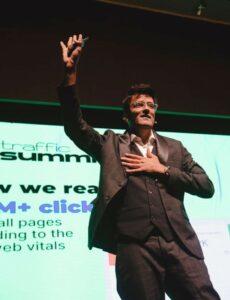
Built by Jitendra Vaswani. AI SEO and digital marketing consultant, founder of Digiexe and AffiliateBooster, best-selling author and international speaker. More about Jitendra